The best bit of pet advice I have ever read.

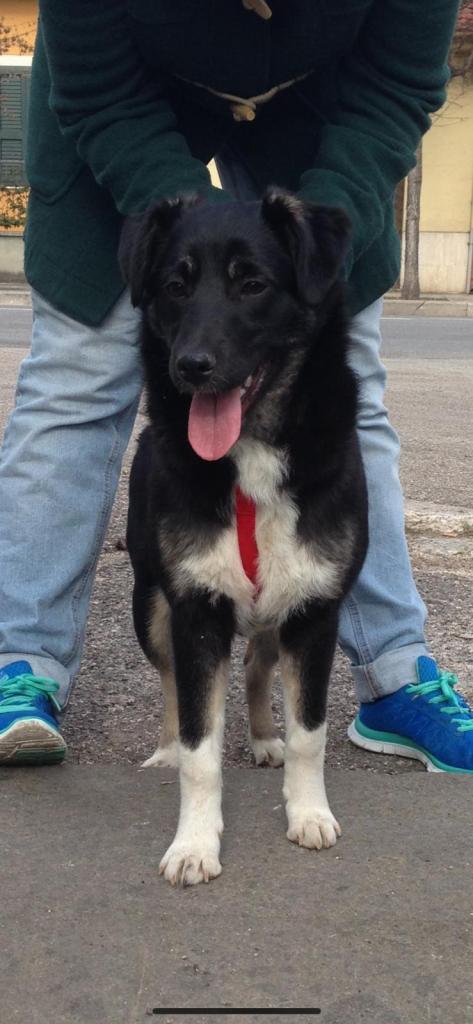
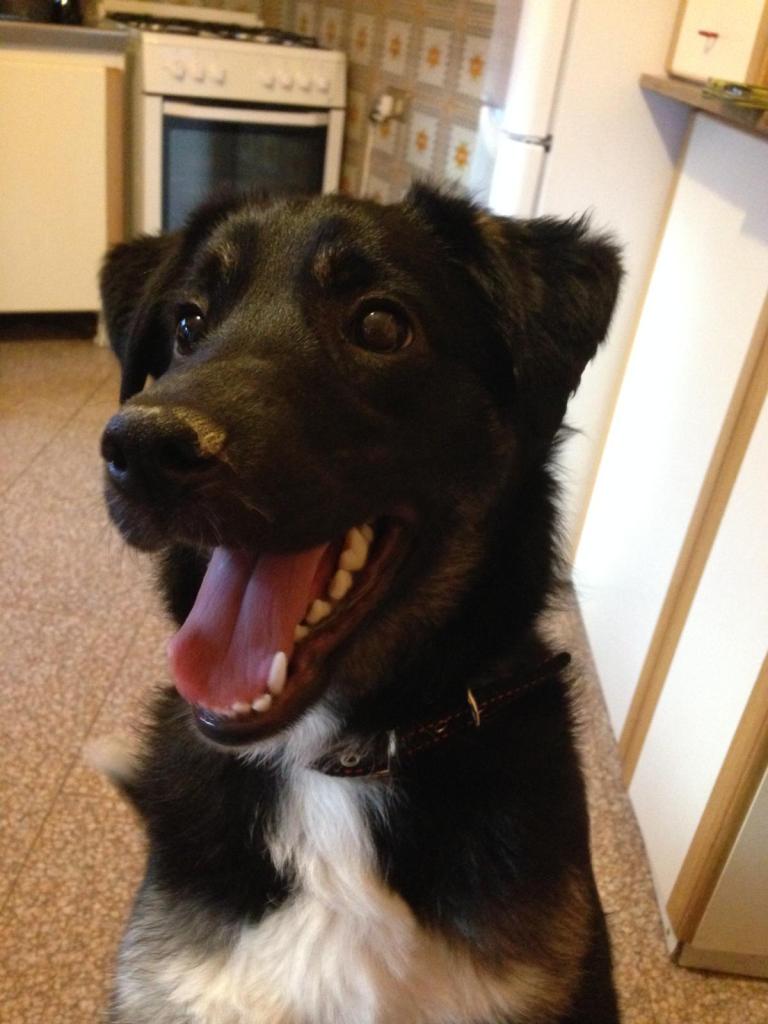
When I adopted Asia back in February 2016, she was a lively 7-month old pup who had never lived inside. Asia had been found as a 3-month old puppy in the cinema car-park in Avezzano, Italy. To avoid sending her to the local municipal kennel, where many dogs spend their entire lives in horrific conditions, a volunteer offered to foster her, but not in the most ideal of situations. Asia spent the next 4 months living outside with a group of older dogs and was not well-socialised. And I must admit, although I wanted a dog, Asia was a bit of an emotional, impulsive decision. I had been due to adopt another, older dog but that ended up falling through because the fosterer changed her mind at the last minute (I was literally sat at home waiting for the dog to be brought to my house!) and broke my heart. Later that evening, I saw a post for Asia – she was about to be sent to the local kennel, her foster time was up. I sent a message to the association and the next day this crazy black-and-white bundle of nervous energy arrived. Asia was a happy pup, but was neither confident nor secure of herself and clearly had a lot of “issues” that I really wasn’t prepared for. I had originally wanted an older, calmer dog, I genuinely didn’t want a puppy, especially an untrained older puppy, and all the chaos that they bring.
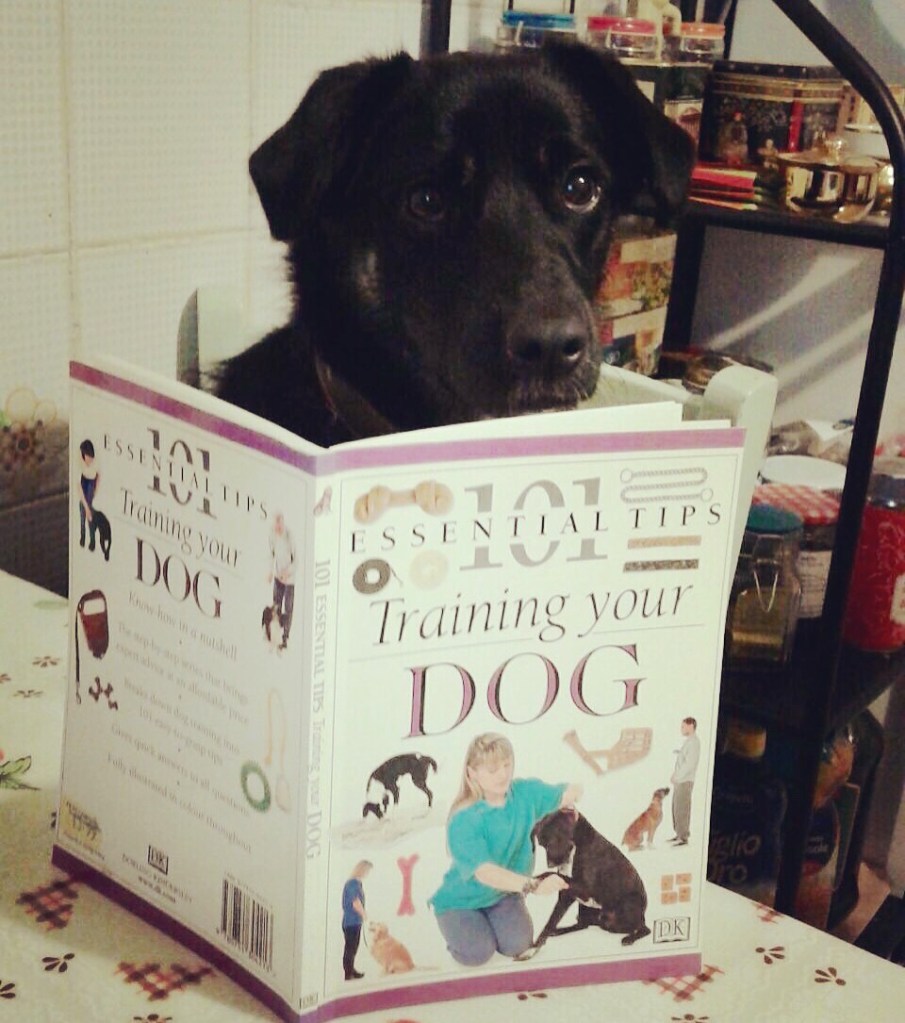
Over the next few days, I started maniacally reading as much dog-training info as I could lay my hands on. One day, while reading an article (I wish I could remember where and who wrote it so I can publicly thank them!) I read the words (paraphrased as I can’t remember the exact wording, I’m sure):
“Don’t set your dog up to fail.”
This changed my whole approach to Asia. I knew she was a chewer, I’d seen it in action – so I removed every item of value that I didn’t want damaged, therefore removing the option of failure. I didn’t want her chewing my shoes, so I didn’t leave my shoes where they could be chewed. I didn’t want her damaging the table, so I temporarily removed the table from the room where she stayed while I was at work. I made sure all food items were securely away and out of reach. I didn’t want her hassling Blackjack (the only cat I had at the time) so he had access to the bedroom and she didn’t. I tried to create an environment for her that would not allow her to fail. As they say, prevention is better than cure.
This phrase has also led me to change my attitude towards house animals in general, and adapt my behaviour to suit them. If there is something that I hold dear and precious, it does not go in a place where it can easily be knocked off and broken, either by accident or, in Blackjack’s case, on purpose (because Blackjack loves carnage). Dogs and cats, and animals in general, do not have the same ability as us to rationalise and understand differences between things – also, they just don’t care. They don’t know/understand/care that the sofa cost 3 months wages, all they see is something to jump on and use as a scratch post – because that is what exists in nature.
As responsible, loving pet owners, we have to help them thrive and succeed in our environment; an environment that often jars against their natural instincts. We have to understand their mentality and their behaviour, in order to live in harmony, where everyone is happy. We have to give them opportunities to exhibit normal behaviour patterns (one of the 5 Freedoms of Animal Welfare)- for dogs this may be chewing and for cats it’s scratching or jumping. Yes, we may have to make some severe compromises on how we’d like to live our lives (for me, it’s not having certain plants around, expensive furniture, or the balcony doors wide open in summer, amongst other things) but that is what we must do when we take on the responsibility of an animal’s life. Animals can adapt, they learn, but it is far easier and less stressful for us to adapt to their needs and behaviour than to try to force them to fit into our modern, advanced lives exactly as we want.
One example of this that I have had from personal experience comes from an application to adopt two of my ex-bottle baby kittens. The potential adopter asked if the kittens were trained not to jump on furniture because she didn’t want that. I sent her a photo of Rose on top of the kitchen cupboard.
Cats jump, that’s what they do, it is in their nature to stay up high, exploring and observing their environment. Frankly, to force a cat to live its life on the floor is cruel, and not something that I would allow for my cats. While we have given up limiting where the cats can go in this house, I can perfectly understand that some people don’t want them jumping all over the table or the kitchen counters. Limiting and setting boundaries on certain areas is OK, as long as the cat has somewhere else to go instead. This is why cat trees and other cat furniture can be so essential to a happy cat household.
We must give them what they need. We shouldn’t set them up to fail.


 Cats of Abruzzo
Leave a comment